Guided by BJP’s Margdarshaks, saffron clan eyes fresh energy backed by youthful enthusiasm
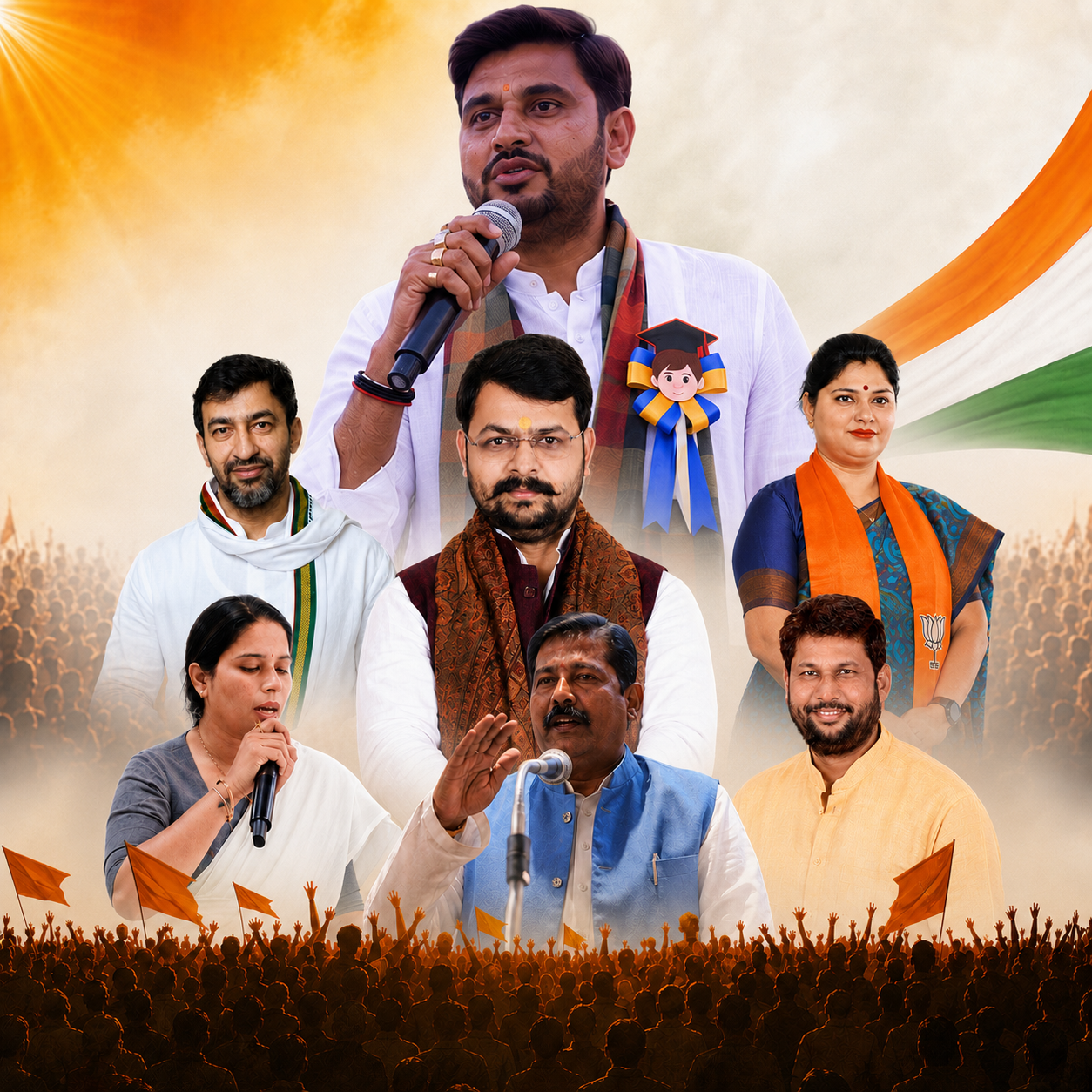
Lucknow: On the humid evening of June 25, 2026, the Bharatiya Janata Party headquarters in Lucknow buzzed with anticipation as Uttar Pradesh BJP President Pankaj Chaudhary unveiled the party’s restructured state organisation. Far more than a routine reshuffle, the new team was carefully designed as the BJP’s launchpad for the 2027 Assembly elections. With 19 Vice Presidents, 8 General Secretaries and 19 State Secretaries, the reorganisation reflects a deliberate strategy of social engineering, wider representation of non-Yadav OBC and Dalit communities, and a strong infusion of young leadership.

Among the most prominent first-time inductees is Neeraj Singh, son of Defence Minister Rajnath Singh, who has been appointed State Vice President. While his family name carries considerable political weight, Neeraj has spent years building his own profile through grassroots engagement, youth outreach programmes, digital campaigns and skill-development initiatives across western Uttar Pradesh. His elevation is being viewed as a blend of experience, continuity and generational change. Known for his interest in technology-driven political communication, Neeraj is expected to play a key role in connecting the party with young and first-time voters. Addressing party workers after the announcement, he emphasised the importance of jobs, technology and aspirations in shaping the BJP’s future outreach.
The youth-centric character of the new organisation is perhaps best reflected in the appointment of Rohit Mishra as the new State President of the BJP Yuva Morcha. In his early thirties, Mishra has emerged as one of the party’s most energetic young organisers. Having risen through student politics and digital mobilisation campaigns, he is known for organising youth conclaves and effectively using social media platforms to engage younger audiences. His appointment signals the BJP’s determination to appeal to a generation that increasingly consumes politics through digital channels rather than traditional networks.
Several other emerging leaders have also received significant responsibilities. Mohit Beniwal, regarded as a rising OBC face from western Uttar Pradesh, has been inducted as Vice President. His work with farmer cooperatives, student groups and community organisations has earned him visibility among non-Yadav OBC voters. Similarly, Devesh Kori has been elevated to the Vice President team. A young leader from Bundelkhand, Kori is recognised for his efforts in outreach among tribal, marginalised and rural communities. His inclusion reflects the party’s emphasis on regional balance and grassroots credibility.
Another notable promotion is that of Priyanka Singh Rawat, who has moved from the post of General Secretary to Vice President. Her rise underscores the growing prominence of younger women leaders within the BJP and recognises her work on women’s empowerment, organisational strengthening and digital engagement.

The list of fresh faces extends beyond the Vice Presidents. Several newly appointed State Secretaries are entering state-level leadership roles for the first time. Many belong to a younger generation of district organisers and campaign managers who proved their capabilities during local body elections, booth management drives and social media outreach efforts. Their induction is expected to strengthen the party’s grassroots machinery while ensuring that organisational decisions remain connected to local realities.
The restructuring also includes experienced leaders who bring balance and continuity. Former Samajwadi Party MLA Pooja Pal has been appointed Vice President, adding both political experience and broader social outreach to the leadership team. Newly appointed General Secretary Rajesh Chaudhary strengthens organisational depth through his long-standing work in the heartland districts. Senior leader Sanjay Rai remains an important presence, providing continuity amid the influx of new faces.
The BJP has also revamped leadership across its frontal organisations. Alongside Rohit Mishra at the Yuva Morcha, Prakash Pal will lead the OBC Wing, Devendra Singh heads the Kisan Morcha, Ashok Rawat leads the Scheduled Caste Wing, Saroj Kushwaha takes charge of the Mahila Morcha, and Vidyabhushan Gond heads the Scheduled Tribe Wing. All six regional presidents have also been replaced, reflecting the party’s desire to inject fresh momentum into local structures.
The social-engineering dimension remains central to the exercise. Leaders such as Satyapal Saini, Brij Bahadur, Dr. Dharmendra Singh, Durbijay Shakya and Ramesh Singh strengthen representation from diverse social groups and regions, helping the BJP broaden its support base beyond traditional vote blocs.












 https://www.youtube.com/watch?si=RtToJsBhYBatUrym&v=mOuYNSdhjHA&feature=youtu.be